


2026 SFB Elections: Biographies
Please review the biographies and vision statements of each President-Elect, and Member-at-Large candidate below before casting your vote.
PRESIDENT-ELECT CANDIDATES
John Fisher, PhD, University of Maryland
Kent Leach, PhD, University of California, Davis
Roger Narayan, MD, PhD, University of North Carolina
MEMBER-AT-LARGE CANDIDATES
Ashutosh Chilkoti, PhD, Duke University
Shreya Raghavan, PhD, Texas A&M University
Tatiana Segura, PhD, Duke University
CAST YOUR BALLOt by March 11, 2026
OFFICER NOMINEES
PRESIDENT-ELECT
The President-elect shall become familiar with the duties of the President and shall, at all times, cooperate and assist with the duties of that office. In the absence of the President, the President-elect shall preside at the meetings of the Society, the Council and the Board of Directors, and perform the duties and exercise the powers of President. The term of office is for a period of one year without succession. The President-elect shall coordinate the duties of Council regarding the long-range direction and future of the Society.
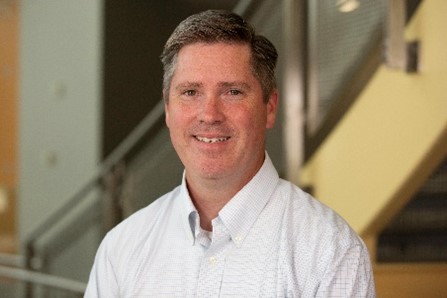
John Fisher, PhD
University of Maryland
BIOGRAPHICAL SKETCH: Dr. John P. Fisher is a Distinguished University Professor, MPower Professor, Distinguished-Scholar Teacher, Fischell Family Distinguished Professor, and Department Chair in the Fischell Department of Bioengineering at the University of Maryland. Dr. Fisher is also the Director of the Center for Engineering Complex Tissue (CECT), which aims to create a broad community focusing on 3D printing and bioprinting for regenerative medicine applications. As the Director of the Tissue Engineering and Biomaterials Laboratory, Dr. Fisher leads a group that investigates biomaterials, stem cells, bioprinting, and bioreactors to regenerate lost tissues, particularly orthopedic and soft tissues. Dr. Fisher’s laboratory has published over 250 works (books, book chapters, articles, proceedings, and editorials) that are associated with 20,000+ citations (80 h-index), as well as delivered 450+ invited and contributed presentations while utilizing approximately financial support from NIH, NSF, FDA, NIST, DoD, ARPAH, and other institutions.
As Chair of the Fischell Department of Bioengineering since January 2016, Dr. Fisher leads a department of approximately 25 tenured / tenure-track faculty, 35 professional track faculty, 15 staff members, 450 undergraduate students, and 125 graduate students. Dr. Fisher’s term as chair includes a range of key accomplishments, including increasing the research expenditures of the department from $8M in FY15 to $22M in FY25, establishing a 20 member External Advisory Board with key corporate partners, and securing a top USNWR ranking in 2026 for its undergraduate (#25 overall, #10 in public universities) and in 2025 for its graduate (#28 overall, #12 in public universities) programs. In 2025, Dr. Fisher led the establishment of the Center for Translational Engineering & Medicine, a joint research partnership with the University of Maryland School of Medicine, and secured a $10M gift from the St John Foundation and a $12.5M grant from the State of Maryland MPower Initiative to support the newly created center.
Dr. Fisher has been elected Fellow of the American Institute for Medical and Biological Engineering (2012), the Biomedical Engineering Society (2016), and the International Academy of Medical and Biological Engineering (2020). In 2025, Dr. Fisher served as the Chair of the Council of Chairs (CoC), an assembly of 150+ biomedical engineering/bioengineering department chairs throughout the United States and beyond. From 2018 to 2020, Dr. Fisher was President of the Tissue Engineering and Regenerative Medicine International Society – Americas (TERMIS-AM). Dr. Fisher is currently the Editor-in-Chief of the journal Tissue Engineering.
Dr. Fisher has been committed to the Society For Biomaterials since joining in 2003. He and his laboratory have contributed more than 50 presentations at the SFB Annual Meeting. He has also served as an abstract reviewer, session chair, and keynote speaker at SFB Annual Meetings. Dr. Fisher has served on the SFB Finance Committee and was elected as the SFB Member-At-Large. In 2024, Dr. Fisher was named a Fellow of Biomaterials Science and Engineering in the International Union of Societies for Biomaterials Science and Engineering (IUSBSE).
VISION STATEMENT: I am honored to be nominated for President of the Society For Biomaterials at a moment of both challenge and opportunity for the biomedical and bioengineering communities. In these dynamic times, SFB must play a decisive leadership role in advancing interdisciplinary science, strengthening the biomedical workforce, and clearly articulating the profound impact of our field on society. With the support of the SFB membership and leadership, I hope to bring a vibrant vision to guide SFB forward.
Biomaterials research touches nearly every aspect of modern life, from therapeutics to interventional platforms and diagnostics. Yet the value of this work is not always fully recognized outside our immediate community. As President, I would prioritize clear, sustained communication with the public, policymakers, and funding agencies, working alongside partners in industry and government to demonstrate how biomaterials research directly improves human health, drives innovation, and strengthens economic resilience. This outward-facing engagement is essential to ensuring continued investment in biomaterial education and research that will fuel tomorrow’s discoveries.
Central to SFB’s mission is a deep commitment to students, trainees, and early-career investigators. At a time when financial pressures, uncertainty, and rapid change impact the next generation of researchers, SFB must serve as both an advocate and an anchor. In my previous roles, I have championed initiatives that reduce financial barriers, expand access, and create meaningful research opportunities for young scientists and engineers. Under my leadership, I would position SFB to further strengthen programming that supports career development, interdisciplinary collaboration, and participation across all career stages.
Equally important is SFB’s relationship with industry. As translation of biomaterial-based technologies from the bench to commercialization advances, I suggest that SFB can serve as a trusted partner that bridges academia, startups, and established companies. By building stronger, more intentional partnerships, SFB can help secure internships, training opportunities, and career pathways for trainees while accelerating the translation of emerging technologies from the laboratory to real-world impact.
I have been fortunate to have accumulated two decades of sustained service and leadership across the biomedical engineering ecosystem – as a researcher, academic leader, societal member and leader, and journal editor. At SFB, I have acted as a member, fellow, abstract reviewer, session chair, keynote speaker, committee member, and elected official. Leveraging this experience, I envision the Society For Biomaterials growing as a national and international force in biomedical education and research – a society that drives innovation through strategic partnerships, elevates the voices of its members, and engages in continuous, thoughtful dialogue with the broader public. For these reasons, I am honored to be nominated and hope to serve as President of the Society For Biomaterials.
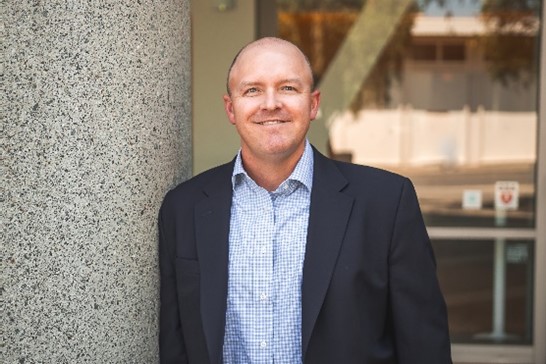
Kent Leach, PhD
University of California, Davis
BIOGRAPHICAL SKETCH: Kent Leach is Professor of Orthopaedic Surgery and Biomedical Engineering, Vice Chair of Research in Orthopaedic Surgery, and the Lawrence Ellison Professor of Musculoskeletal Research at the University of California, Davis. He joined UC Davis in 2005 after completing his postdoctoral training at the University of Michigan and Harvard University. He earned his Ph.D. in Chemical Engineering from the University of Oklahoma and his undergraduate degree in chemistry from the University of Arkansas. His research interests are focused on the application of biomaterials for delivery of cells and inductive cues to guide tissue regeneration and repair, as well as the development of model systems of tissue growth and disease.
Kent has been an active member of the Society for Biomaterials (SFB) for nearly two decades. His contributions to SFB range from service as the UC Davis student chapter advisor, multiple terms on the Membership and Finance Committees, Education & Professional Development Committee, session organizer and chair, and to the governing Council. Since 2021, Kent has served SFB as the Editor-in-Chief of the Journal of Biomedical Materials Research Part A, one of the flagship journals of the Society. In his role as Editor, he has overseen a 60% increase in manuscripts submitted since 2022, continued reductions in publication time, created the Early Career Editorial Board to engage early career faculty in the publication process, and moderated several Meet the Editors sessions at SFB annual meetings. He is proud of the results achieved with his outstanding Associate Editors and Editorial Board to propel the visibility and reputation of the Journal.
Beyond service to SFB, Kent has held numerous leadership roles in other professional societies. In the Biomedical Engineering Society (BMES), he previously served on the Board of Directors and recently completed a 2-year term as Treasurer. He served as abstract reviewer, track chair, Program co-Chair for the 2020 annual meeting, and mentored the UC Davis undergraduate BMES chapter. He was Associate Editor for the Annals of Biomedical Engineering for 11 years. He held membership on numerous committees including the Awards, Membership, and National Meetings Committee. Additionally, he served on the America’s Council of the Tissue Engineering and Regenerative Medicine International Society (TERMIS) and Section Member-at-Large of the International Society of Fracture Repair within the Orthopedic Research Society (ORS). Each society boasts strong content ties with the field of biomaterials and enjoys support from many of the same investigators.
Kent is a committed mentor to students and faculty alike. To date, he has trained nearly 30 PhD students and 10 postdoctoral fellows, all of whom have gone on to successful careers in academia or industry. He proudly mentors early career faculty at UC Davis and beyond. His efforts were recognized by the Deans’ Award for Excellence in Mentoring in 2021. He received the College of Engineering Outstanding Mid-Career Faculty for Excellence in Research Award in 2021. He joined the College of Fellows for AIMBE in 2017 and was inducted as a Fellow of the Biomedical Engineering Society (BMES) in 2018.
VISION STATEMENT: I am honored to be nominated for President-Elect of the Society for Biomaterials (SFB). For nearly two decades, I have witnessed our Society elevate scientific quality, advocacy, and member engagement while creating opportunities for every contributor to advance our mission. Today, SFB faces a pivotal moment: we have emerged from the pandemic into a new era that is reshaping how science is conducted, funded, disseminated, and valued. As resources tighten, SFB must deliver unmistakable value to students, faculty, and industry professionals and grow stronger by doing so.
SFB is where high-quality science meets translation, and innovation thrives when academia, industry, and regulators collaborate. The annual meeting represents the union of high-quality science, the chance to readily interact with thought leaders, and countless opportunities to contribute to SFB. The most recent survey reveals the greatest number of members have interests in tissue engineering, while “biomaterials” is consistently well-represented at other annual scientific meetings. I will deepen partnerships with Tissue Engineering and Regenerative Medicine International Society (TERMIS), Biomedical Engineering Society (BMES), and Materials Research Society (MRS) through co-sponsored symposia, shared workshops, and joint promotion of science. My prior leadership roles in TERMIS and BMES will facilitate this effort. We will host “Translation & Standards Days,” industry showcases, and regulatory roundtables to accelerate the journey from concept to clinic and to clarify pathways for scale-up, manufacturing, and quality systems. We will continue to embed equity and inclusion in governance, awards, and programming, ensuring a breadth of voices shape our priorities. These activities will keep SFB top-of-mind throughout the year and not only during our annual meeting.
Trainees are the lifeblood of our future. I will re-energize student chapters and expand Biomaterials Days into year-round engagement via the Special Interests Groups. This includes student-led programming, co-developed webinar topics, career panels across academia, industry, and government, and expanded mentorship that connects trainees with faculty and innovators. My experience as an SFB chapter advisor and chair of several graduate education programs will facilitate this goal. By highlighting pathways to leadership in diverse careers, providing micro-grants for chapter activities, and recognizing student impact, we will establish the value of membership early and sustain it as careers evolve, keeping trainees engaged in SFB.
Long-term stability of our mission priorities requires a stable funding stream independent of membership dues, meeting registration, and royalties from our publications. It is imperative to grow our endowments to insulate SFB and plan for our long-term growth. My membership on the Finance Committee of SFB and Treasurer of BMES will support this effort. I will strategize and work with the Council to build our endowment funds by engaging philanthropic members of our Society. These resources can be leveraged to expand our mission and invest in the activities our society values.
SFB is the trusted home for biomaterials scientists, engineers, clinicians, entrepreneurs, and regulators. If elected, I will work tirelessly to connect insight to impact, elevate every member’s contribution, and ensure SFB remains the world’s preeminent community advancing biomaterials for human health and well-being.
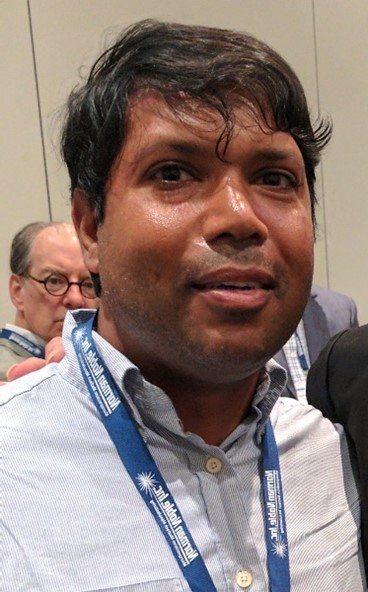
Roger Narayan, MD, PhD
University of North Carolina
BIOGRAPHICAL SKETCH: Roger Narayan serves as Distinguished Professor in the Lampe Joint Department of Biomedical Engineering at the University of North Carolina and North Carolina State University. His career has focused on developing advanced manufacturing techniques for medical devices, with an emphasis on laser-based processing as well as microneedle technologies for drug delivery and biosensing applications. Roger's research group has pioneered the use of two-photon polymerization and other advanced manufacturing techniques for fabricating microscale medical devices, including microneedles for transdermal drug delivery and biosensing.
Education and international collaboration have been central to Roger's career. He established graduate certificate programs in nanobiotechnology at both UNC and NC State, which provide interdisciplinary training at the interface of nanoscale science and biotechnology. Roger has mentored 18 PhD students and numerous postdoctoral researchers who now hold positions in industry, government, and academia. His Fulbright appointments have taken him to the University of São Paulo in Brazil, the University of Otago in New Zealand, the Instituto Politécnico Nacional in Mexico, and, most recently, to RMIT University in Australia as Distinguished Chair in Entrepreneurship and Innovation. Through National Science Foundation International Research Experiences for Students (IRES) funding, he has built student exchange programs with institutions in Austria, Germany, South Korea, and New Zealand. As a 2016-2017 ASME Swanson Fellow, Narayan worked with America Makes, the national additive manufacturing institute, to develop workforce development strategies and educational roadmaps for additive manufacturing.
As Executive Editor of Biomaterials Forum, Roger has shaped the publication's role in strengthening community-building activities within the biomaterials field. Under his leadership, Biomaterials Forum has featured in-depth institutional spotlights on major research centers in the US biomaterials field. The magazine has honored foundational contributors to the field; these articles provide current members and the next generation with information about the pioneers who helped develop the field. Each issue also showcases emerging research areas associated with the Society's special interest groups. This editorial approach has reinforced Biomaterials Forum's mission (a) to share timely updates on developments in the biomaterials field and (b) to connect researchers across academia, industry, and government.
Roger has contributed to university governance as Faculty Senator representing the College of Engineering at NC State, where he served on the Faculty Senate Executive Committee and currently serves as Co-chair of the Faculty Senate Resources & Environment Committee. In these roles, he has worked across disciplines to address campus-wide issues, including sustainability, resource allocation, and research policy. As Chair-Elect of the NC State University Research Committee, he supports the university’s development of new initiatives that span the university's diverse research activities.
Roger has held leadership positions in multiple professional societies, including Director of the TMS Functional Materials Division, Chair of the ASM International Emerging Technologies Awareness Committee, and Chair of the American Ceramic Society Bioceramics Division. Through these roles, he has worked to strengthen interdisciplinary connections by organizing symposia at Materials Science & Technology conferences that bring together TMS, ACerS, and SFB communities. These cross-society symposia at MS&T have supported cross-disciplinary dialogue related to biomaterials innovation.
VISION STATEMENT: Since its founding in 1974, SFB has grown into the leading international organization for biomaterials research, education, and translation. Today, the Society faces both challenges and exceptional opportunities to advance its mission of improving our quality of life through innovations in biomaterials. The growth of artificial intelligence, regenerative medicine, and advanced manufacturing technologies is changing how we conduct biomaterials research. Moreover, we are navigating broader changes to federal funding priorities and regulatory frameworks. My priority is that SFB continues to offer unique opportunities for students, trainees, academic researchers, industry scientists, government researchers, and clinicians to advance their careers. My vision for SFB includes four interconnected priorities: strengthening strategic partnerships with peer societies, accelerating the translation of medical devices, investing in members at every career stage, and cultivating a year-round community.
Strengthening Partnerships with Peer Societies
Deepening collaborations with peer organizations such as ACerS, AIChE, ACS, ASME, MRS, TERMIS, and TMS will provide the Society with opportunities to increase its membership and address cross-disciplinary topics. I will work with members to develop:
- Co-branded symposia and virtual workshops with peer societies to cover cross-disciplinary topics such as advanced manufacturing, artificial intelligence, and regenerative medicine.
- Strengthen international activities with overseas institutions and funding agencies, including virtual workshops that (a) support research collaborations as well as (b) disseminate information on student internships and postdoctoral training opportunities.
Accelerating Translation from Discovery to Clinical Impact
The biomaterials ecosystem includes preclinical testing, regulatory consulting, biocompatibility testing, sterilization, and quality systems activities.
I will work with members to:
- Develop resources for members to improve their understanding of standards and interactions with regulatory agencies.
- Develop in-person and virtual activities that consider medical device testing, regulatory activities, and interactions with contract research organizations.
- Develop mentorship programs that connect academic inventors with entrepreneurs to support startup formation, licensing, and venture funding activities.
Investing in Members at Every Career Stage
As President, I will work with members to champion:
- Increase support to strengthen Biomaterials Day as a premier venue for the dissemination of biomaterials research, education, and outreach activities.
- Bolster virtual and in-person mentoring and leadership development activities.
- Expanding recognition for outstanding biomaterials teaching innovations, student research, and outreach activities.
Cultivating a Year-Round Community
The Society’s strengths include relationship-building and knowledge-sharing. I will work with members to:
- Expand virtual engagement via webinars, volunteering opportunities, and online events to reduce barriers related to travel and institutional resources
- Enhance Biomaterials Forum as a platform for information sharing and career development.
- Build year-round technical communities around growing research areas to support research collaborations as well as provide opportunities for student and trainee presentations.
As President, I would be honored to work alongside the Society’s members, committees, student leaders, and international partners to ensure that SFB remains the leading community for advancing biomaterials research. Together, we will support breakthroughs in biomaterials research and accelerate clinical impact while remaining true to the Society’s founding mission: improving human health through biomaterials innovation. I look forward to building the future of the biomaterials field with you.
CAST YOUR BALLOt by March 11, 2026
MEMBER-AT-LARGE
The Member-at-Large shall serve as an unencumbered representative of the membership at meetings of both the Board of Directors and Council. The Member-at-Large shall serve for a period of one year.
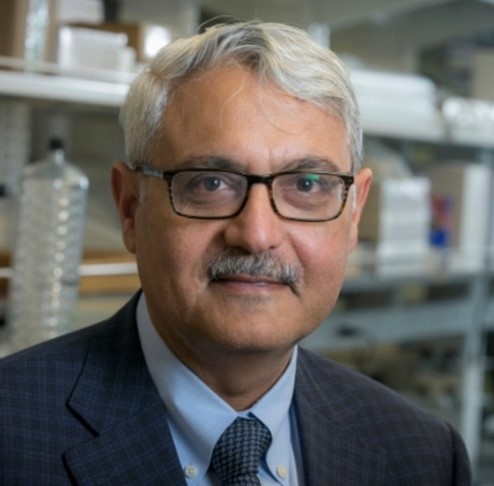
Ashutosh Chilkoti, PhD
Duke University
BIOGRAPHICAL SKETCH: Ashutosh Chilkoti is the Alan L. Kaganov Professor of Biomedical Engineering at Duke University. His areas of research include genetically encoded biomaterials, the development of synthetic biomolecular condensates for synthetic biology, and point-of-care clinical diagnostics. He has published ~370 papers, has been cited 52,000 times, has a Google Scholar H-index of 121, and has 171 patents and patent applications. Prof. Chilkoti was awarded the Clemson Award for Contributions to the Literature by the Society for Biomaterials in 2011, the Robert A. Pritzker Distinguished Lecture award by the Biomedical Engineering Society in 2013, was elected to the National Academy of Inventors in 2014, received the Distinguished Alumni award from the Indian Institute of Technology, Delhi in 2015, and the Diamond award from the College of Engineering at the University of Washington in 2017, and the Technology Innovation and Development Award from the Society for Biomaterials in 2025. He is a fellow of the American Association for the Advancement of Science. He is the founder of six start-up companies, one of of which went public, and two were acquired.
VISION STATEMENT: I am a strong candidate for Member-at-Large of the Society for Biomaterials as I bring a combination of scientific leadership, community building, and entrepreneurial vision that aligns with the Society’s mission. My career in biomaterials research has shaped multiple subfields and continues to influence how fundamental discoveries translate into clinical and commercial impact. As a pioneer in stimulus-responsive polymers, genetically encoded biomaterials, biointerface science, and protein-polymer conjugates, I have developed innovative materials that address real biomedical challenges.
My commitment to scientific community building is equally noteworthy. I played a central role in creating multiple Gordon Research Conferences—one on Biointerface Science (2006) and another on Bioinspired Materials (2012)— that have helped define emerging areas of biomaterials research. These conferences brought together diverse scientific voices—spanning engineering, chemistry, biology, and medicine—and I hope to do the same for the Society by helping recruit new members from diverse disciplines. These experiences have prepared me well to contribute strategically to the Society’s programming, outreach, and long-term planning.
As Chair of the Department of Biomedical Engineering at Duke University (2014-2022), I recruited 23 faculty members, launched an incubator for companies from the department, and created an Entrepreneurial post-doctoral fellowship program to enable graduate students in the department to launch companies from their doctoral research. I championed faculty development and cultivated a culture of innovation and inclusion. My administrative experience equips me with the organizational insight and collaborative mindset essential for effective service on the SFB Council.
I am also a serial entrepreneur. As a founder of multiple biotechnology startups—PhaseBio Pharmaceuticals (NASDAQ IPO 2018), Isolere Bio (acquired by Donaldson Inc. in 2202), inSoma Bio (first-in-human trial in 2025), and Veil Therapeutics, I have first-hand experience in navigating the path from academic discovery to commercial translation. This perspective is invaluable for a Society increasingly engaged with industry partners and committed to preparing trainees for diverse career trajectories.
If elected Member-at-Large, I will prioritize the professional development of graduate students and postdoctoral fellows—an area I have long championed. I propose establishing a structured mentorship program that pairs trainees with senior SFB members, creating sustained, meaningful relationships that extend beyond the annual meeting. This initiative will leverage the deep expertise within the Society to support career exploration, research development, and leadership skills.
In addition, I envision a new workshop or mini-symposium at the annual meeting designed to bring startups and established companies into closer engagement with the SFB community. Companies will be invited to present their latest research and technology, followed by a dynamic “matchmaking game” in which students and postdocs meet prospective employers through rapid one-minute introductions. This format will foster networking and create a tangible pathway to internships and employment.
With my scientific excellence, proven leadership, and commitment to nurturing the next generation, I believe I will serve the Society of Biomaterials society well as a Member-at-Large by strengthening the society and expanding its impact.
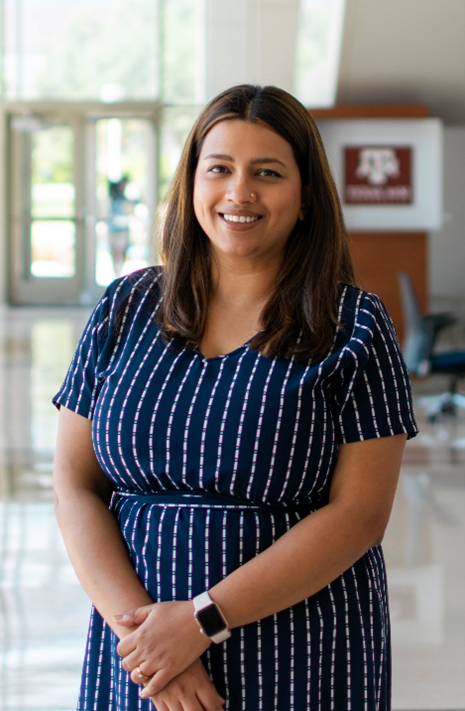
Shreya Raghavan, PhD
Texas A&M University
BIOGRAPHICAL SKETCH: Dr. Shreya Raghavan is an Associate Professor in the Department of Biomedical Engineering at Texas A&M University, where she leads a research program at the intersection of biomaterials and mechanobiology. Since joining Texas A&M in 2020, her lab focuses on leveraging engineered microenvironments to drive mechanistic discovery in cancer and women’s health. Her research is supported by the NIH R37 MERIT Award, NSF, DOD and the Cancer Prevention and Research Institute of Texas. Her creative and impactful contributions have been recognized with the BMES Rita Schaffer Young Investigator Award, the NSF CAREER Award, and the BMES-CMBE Young Innovator and Rising Star awards.
Beyond the bench, Dr. Raghavan is an advocate for the biomaterials community. She received the 2025 SFB Community Impact (DEI) Award for her role in establishing the UNITE Future Faculty Fellows program. Within SFB, a definitive mark of her leadership includes meeting members where they are, reflected in scientific and social programming at the annual meetings. Starting as Program Chair for the Immune Engineering SIG (2021-2023), she moved into society-wide roles serving as the Chair of the DEI Committee (2024-2025), Program Committee (2025, 2026) and the Education and Professional Development Committee (2025-2026). In 2025, Dr. Raghavan co-founded and now chairs the Health Equity SIG, dedicated to integrating sex, age, etc. as essential biological variables in biomaterial design and response.
In these capacities, she has consistently translated member feedback into high-value scientific symposia and professional development opportunities, establishing a track record of responsive leadership.
VISION STATEMENT: The Society for Biomaterials has been my professional home since 2020. Through my service across various committees and SIGs, I have witnessed the power of a community that truly listens to its members. As your Member-at-Large, I intend to translate your voice into structural progress that strengthens SFB’s future. Building on my foundation of service at SFB, my vision focuses on two pillars:
- Driving Value-Added Initiatives to Support Membership: Now, more than ever, there is an urgent need to communicate the value of the scientific enterprise and the role of scientific societies to the public and key stakeholders. I will work to amplify your voice, creating feedback loops that ensure SFB’s goals reflect our community’s evolving needs. By collaborating with the Education and Professional Development, Membership and Community Opportunities and Leadership committees, I will advocate for tailored resources that provide tangible value to SFB members at every career stage (students to senior member engagement).
- Increasing Member Citizenship Via Governance Transparency: I am committed to serving as a connective tissue between the membership and the board. My goal is to ensure that governance decisions align with member intent while holding our organizational structures accountable. I will proactively communicate board decisions and institutional processes, ensuring two-way transparency.
Together, we can ensure that SFB remains a responsive, transparent and significant home for all biomaterials professionals.
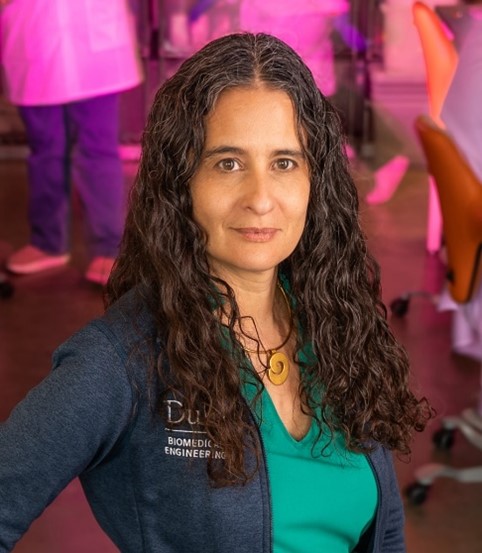
Tatiana Segura, PhD
Duke University
BIOGRAPHICAL SKETCH: Tatiana Segura is a Professor of Biomedical Engineering, Neurology, and Dermatology at Duke University. She received her BS in Bioengineering from the University of California, Berkeley, and her PhD in Chemical Engineering from Northwestern University. She conducted her doctoral research with Prof. Lonnie Shea, where she began her work in biomaterials for non-viral gene delivery, and completed postdoctoral training with Prof. Jeffrey Hubbell focused on biomaterial design for therapeutic delivery and immune modulation. Prior to joining Duke University, Dr. Segura was on the faculty at the University of California, Los Angeles, where she reached the rank of Professor in the Department of Chemical and Biomolecular Engineering and served in multiple leadership roles, including Vice Chair and Graduate Program Director. She has extensive experience in academic service and governance, including serving as ABET Chair and leading continuous improvement initiatives following accreditation review. At Duke University, Dr. Segura serves as the Director of the Center for Biotechnology and Tissue Engineering and is a MPI of the NIH T32 Biotechnology Training Grant. She has been deeply engaged in departmental, school, and university-level service and is actively involved in mentoring junior faculty. Her research program focuses on engineering biomaterial–tissue interactions to promote repair and regeneration, with applications in ischemic stroke, wound healing, transplantation tolerance, and immune-modulatory biomaterials. Her work has been continuously funded by the NIH since 2008. Dr. Segura has published over 100 peer-reviewed articles and reviews, with more than 15,000 citations. Her honors include the Society for Biomaterials Clemson Award for Contributions to the Literature, the Acta Biomaterialia Silver Medal, an NSF CAREER Award, an Outstanding Young Investigator Award from the American Society of Gene and Cell Therapy, an American Heart Association National Scientist Development Grant, Senior Membership in the National Academy of Inventors, and election as a Fellow of the American Institute for Medical and Biological Engineering.
VISION STATEMENT: It is an honor to be nominated for Member-at-Large of the Society for Biomaterials. SFB has been an important part of my career, and I value the relationships and sense of community that make this society special. I am a very social and outgoing person, and one of the ways I contribute to our community is by talking with many colleagues across the society. I enjoy listening to people, offering advice when helpful, and connecting ideas across different experiences and career stages. As Member-at-Large, I would continue doing what I already do, but with a clear purpose. I want to better understand what our members need, including students, trainees, early-career investigators, and senior colleagues across academia, industry, and clinical settings, and how SFB can serve them more effectively. I plan to stay closely connected to the membership by having conversations at meetings, events, and informal settings. From these conversations, I often see patterns and connections that can help point toward solutions. I would bring these insights to the Board and Council to help the society think clearly about how to support its members and how to remain strong and relevant during a time of change for science, funding, and professional societies. I also see this role as an important step in preparing to serve SFB in future leadership roles. By staying engaged, listening carefully, and helping connect ideas into action, I hope to contribute to the long-term health and sustainability of the Society for Biomaterials. If elected, I would take this responsibility seriously and work with care, energy, and openness to serve the Society for Biomaterials and its members.